 Lantern Street
Original sleep story
The Flower Shop at the End of the Lane
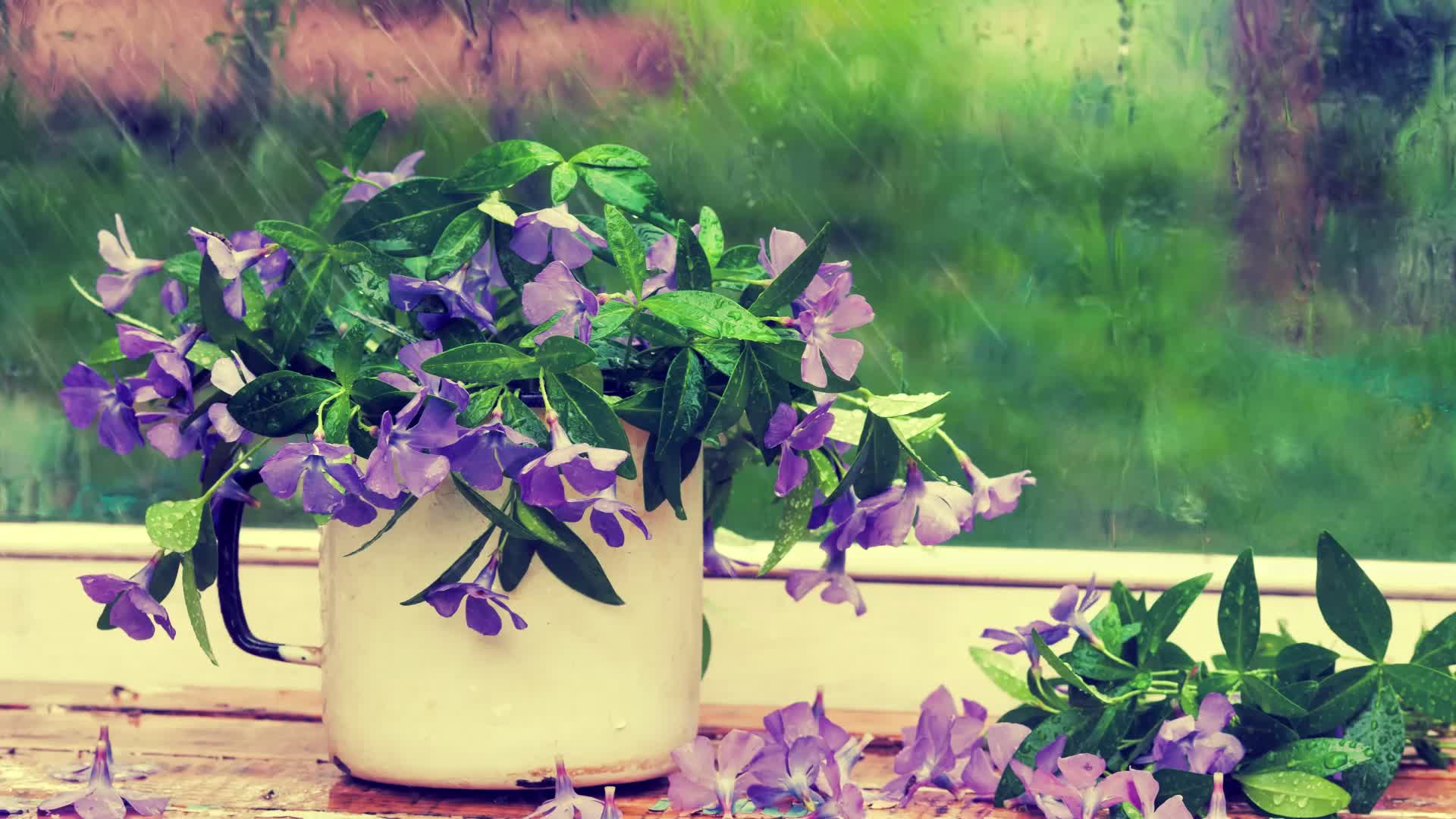
Clara Whitmore is finishing the day’s bouquets. There is tea to make, a quiet garden behind the shop, and a little jar of honey given with kindness.
Your place is saved on this browser while you listen.
Know someone who could use a little quiet? Copy a story link and a short note to send them.
Characters: Clara Whitmore, the florist; Mrs. Bellamy; Nora, the baker; Eleanor Finch, the bookseller. Warm narration and gentle rain, with a soft final fade.
Read the complete story transcript
Welcome to Lantern Street.
Tonight, we're visiting a little flower shop at the end of the lane, where the windows glow warmly against the evening rain, and Clara Whitmore is finishing the last of her work for the day.
There are flowers to arrange, a kettle waiting in the kitchen, and a quiet garden behind the shop.
Nothing needs to be hurried.
And there is nowhere else we need to be.
So settle in, get comfortable, and allow the evening to unfold at its own gentle pace.
Our story tonight is The Flower Shop at the End of the Lane.
At the far end of Lantern Street, where the cobblestones curved gently around a small stone fountain, stood a narrow shop with a green-painted door.
Above the door hung a sign that read Whitmore's Flowers. And below the name, in smaller lettering, were the words, Something lovely for every day.
The sign had been there for many years. In summer it caught the sunlight. In winter a little cap of snow sometimes rested along its top edge. Tonight, under a soft autumn rain, it glistened beneath the streetlamp.
The shop windows were filled with flowers, but never so many that the windows felt crowded. There were cream roses in a wide earthenware jug, sprigs of eucalyptus in a tall glass vase, and little pots of violets on the sill. A single bunch of yellow flowers stood in a blue pot near the door, bright as a pocketful of sunshine.
Inside, everything was warm and quiet.
A lamp with an amber shade stood behind the counter. Another lamp lit the old wooden worktable, which was marked by years of careful use. There were shallow scratches where flower stems had been trimmed, a faint ring from a forgotten teacup, and a small pale patch where the sunlight had rested every afternoon for as long as Clara could remember.
Clara Whitmore stood at the table with her sleeves rolled to her elbows. She had been arranging flowers since morning, and now only three little bouquets remained.
There was no rush to finish them. The shop was open for another half hour, perhaps a little longer, and the rain had made the village unusually still.
She chose a pale rose and held it beside a spray of lavender. Then she added a little rosemary, not because it was necessary, but because she liked the scent that rose from it when she brushed the leaves with her fingers.
The first bouquet was for Nora at the bakery.
Nora had brought two warm rolls and a small slice of apple cake that afternoon, wrapped in paper and tied with string. She had arrived with flour on one sleeve and a smile that made the little shop feel brighter.
Clara had put the parcel beside the kettle, saving it for the evening. In return, she would leave the flowers at the bakery door in the morning, before Nora began her first batch of bread.
The second bouquet was for Eleanor Finch, who kept the bookshop farther along the lane.
Eleanor had sent word that she had found an old gardening book she thought Clara might enjoy. There was no hurry to collect it, her note had said. Old books were very patient things.
Clara smiled whenever she thought of that sentence.
For Eleanor she chose soft white flowers, a few stems of fern, and one deep purple bloom. She wrapped them in brown paper, folded the edge neatly, and set them in a little bucket of water until morning.
The third bouquet was smaller than the others. It was for Clara herself.
She chose two yellow flowers, a little lavender, and one green sprig with leaves no larger than her fingernail. She placed them in the blue pot near the window, where she would see them when she came downstairs for breakfast.
She had always believed that a flower shop ought to keep something lovely for its own windowsill.
Outside, the rain whispered against the glass.
A few drops gathered at the edge of the awning, waited, and fell. The fountain in the square made its own small sound beneath the rain, and somewhere beyond the shop a door closed gently.
Clara reached for the drawer of ribbons.
There were cream ribbons and green ribbons, a soft gold one that she used for celebrations, and a length of blue that had been in the drawer so long she could no longer remember where it had come from.
She selected the cream ribbon for Nora's flowers and the green for Eleanor's.
Then she wound the remaining ribbon around its card and returned it to the drawer.
Just as Clara was putting away the last of the ribbons, the little brass bell above the door gave its familiar greeting.
Ding.
Clara looked up.
Standing in the doorway was Mrs. Bellamy, who lived in the cottage beside the village fountain. She wore a soft brown coat, and beneath her arm she carried a small wicker basket.
“Oh, Clara,” she said, smiling. “I was hoping I hadn't missed you.”
“Not at all,” Clara replied. “Come in out of the rain.”
Mrs. Bellamy stepped inside and carefully wiped her shoes on the mat. The rain had left tiny silver drops along the shoulders of her coat.
“I've been visiting my sister,” she explained. “And on my way home, I thought how lovely it would be to have something for the kitchen table.”
Clara glanced toward the flowers.
“Something cheerful?”
“Something simple,” Mrs. Bellamy said. “I have a little blue vase. It's not very tall.”
Clara knew the vase. She had seen it once when delivering flowers to Mrs. Bellamy's cottage. It stood on a round table beside the kitchen window, where the morning sunlight came through the lace curtains.
“I think I know just the thing.”
She chose three small cream-colored chrysanthemums, a sprig of rosemary, and two delicate stems of white flowers.
Mrs. Bellamy watched as Clara gathered them together.
“Those are lovely.”
“They should last nicely,” Clara said. “And the rosemary will smell wonderful when the kitchen gets warm.”
She trimmed the stems and wrapped them in a little brown paper.
Mrs. Bellamy reached into her basket for her purse. But before she could open it, she paused.
“Oh, I nearly forgot.”
From beneath the folded cloth in her basket, she took a small jar of honey.
“My sister keeps bees,” she said. “And she sent me home with rather more honey than I could possibly use.”
Clara accepted the jar. Its lid was covered with a little circle of checked fabric, held in place by string. The honey inside was a warm amber color.
“How thoughtful,” she said.
Mrs. Bellamy smiled.
“I thought you might like some in your tea.”
“Very much.”
Clara set the jar beside the till and handed over the flowers.
Mrs. Bellamy held them carefully against her coat.
For a moment, the two women stood together near the doorway, listening to the soft rain.
“Do you know,” Mrs. Bellamy said, “I think this is my favorite time of day.”
Clara looked toward the window. The streetlamps were beginning to glow, and the cobblestones reflected their golden light.
“I know what you mean.”
“Everything looks so peaceful.”
“It does.”
Mrs. Bellamy adjusted the flowers in her basket.
“Well, I won't keep you. You must be ready for a quiet evening.”
“I am rather looking forward to one.”
“Then I hope it's a lovely one.”
“And yours too.”
The little brass bell rang again as Mrs. Bellamy stepped outside.
Clara watched her make her way toward the fountain. The brown coat disappeared gradually into the soft evening mist, and then the street was quiet once more.
Clara turned back toward the counter. The small jar of honey stood beside the till.
She picked it up and held it toward the lamplight.
It was such a simple gift.
But she thought how pleasant it was that people remembered one another in these little ways.
A few flowers for a kitchen table. A jar of honey for an evening cup of tea. A warm roll brought over from the bakery. A book remembered by a friend.
None of them was a grand gesture. And perhaps that was what made them so lovely.
Clara placed the honey beside the little paper parcel Nora had brought earlier. She would try a spoonful in her tea tonight.
Then she returned to her worktable, put away the last ribbon, and switched off the bright overhead light.
The shop settled into its familiar evening glow.
Before going upstairs, Clara walked slowly around the room, the way she did at the end of every day.
She checked the water in the roses. She turned the violets a little so that their leaves faced the window. She moved a stray petal from the counter and laid it in the little bowl where she collected petals for the garden compost.
At the back of the shop stood a green watering can, older than almost anything else in the room. Its handle was smooth where Clara's father's hand had held it, and where her own hand had held it afterward.
She lifted it to water the small fern by the door. The water made a quiet sound as it touched the soil.
That was enough for tonight.
She turned the sign in the window from Open to Closed, though she left the lamp burning for another moment. She liked the way the shop looked from the street when the windows were lit, especially on rainy evenings.
Outside, a person walking home might glance in and see the flowers, the warm wood, and the little blue pot. Perhaps it would make the walk seem shorter.
Clara had always liked that thought.
She locked the front door and drew the curtain halfway across the window. Then she carried Nora's parcel and Mrs. Bellamy's honey through the narrow doorway behind the counter.
The kitchen was small and comfortably familiar. There was a wooden table beneath the window, two mismatched chairs, a shelf of blue-and-white plates, and a kettle that made a soft ticking sound as it warmed.
A little clock hung beside the cupboard. It was not a particularly accurate clock. Some days it ran a minute fast; on others it seemed to lose a minute somewhere in the afternoon.
Clara did not mind. The kettle knew when it was ready, and the evening did not need to be measured too carefully.
She filled the kettle and set it on the stove. Then she opened Nora's paper parcel.
Inside were two small rolls, still faintly fragrant with butter, and a slice of apple cake with a golden top.
Clara put one roll on a plate and saved the other for morning. She cut a little piece of cake and placed it beside the roll, then took her favorite cup from the shelf.
The cup was cream-colored, with a thin green line around the rim. It had a tiny chip near the handle, but it was still her favorite.
She spooned tea into the pot and listened to the water begin to murmur.
When the kettle was ready, she poured the water slowly, watching the steam curl upward. It drifted toward the window and vanished in the warm kitchen air.
Then Clara opened Mrs. Bellamy's jar of honey.
She untied the little string, lifted the checked fabric, and turned the lid. A sweet, gentle scent rose from the jar.
She added one small spoonful to her tea and stirred until it disappeared.
The first sip was warm and softly sweet.
“Just right,” she said, though there was no one there who needed to hear it.
She carried the cup and plate to the table and sat down beside the window.
From here she could see a narrow strip of the garden, the dark outline of the pear tree, and the little stone path that curved toward the back gate.
Rain touched the window in small, uneven taps. The kitchen lamp made a golden reflection in the glass, so that for a moment the room seemed to have a second lamp, floating gently in the garden beyond.
Clara ate her roll slowly. It was soft in the middle, with a delicate crust, and tasted exactly like the sort of bread Nora made when she had time to let the dough rise without hurrying it.
The apple cake was lovely too.
She thought of the pears she had carried to the bakery at the end of summer, when the tree had given more fruit than she could use. Nora had turned some of them into little tarts and sent a few back wrapped in paper.
The pear tree had belonged to Clara's father before it belonged to her. He had planted it when she was young enough to think that trees might grow as quickly as children.
Every year it gave a little more shade, and some years it gave a great many pears.
Clara took another sip of tea.
There was something comforting about a tree that kept its own time. It did not worry about the calendar. It rested through the cold months, woke when the light returned, and carried on.
When her plate was empty, she stayed at the table for a while, holding the warm cup between her hands.
Across the lane, the bakery windows were dimming. Nora would be tidying her kitchen now, perhaps covering the dough for morning, perhaps sitting down with a cup of tea of her own.
Farther along the street, the bookshop still glowed behind its curtains. Eleanor often kept one lamp burning while she finished a chapter or put a wandering book back where it belonged.
Clara imagined the three shops as little pools of light along the lane.
The bakery. The bookshop. The flower shop.
Different rooms, different days, but the same quiet street holding them all together.
After a time, Clara rinsed her cup and placed it upside down on the drying cloth. She folded the paper from Nora's parcel and saved it for the compost basket. The honey went into the cupboard, where she would see it in the morning.
Then she took a soft cardigan from the hook by the back door.
She wanted to look at the garden before going upstairs.
The rain had eased to a fine mist. Clara stepped beneath the little covered porch and breathed in the cool air.
The garden smelled of damp earth, lavender, and leaves that had settled quietly along the path.
She did not need to go far. The stone path was familiar beneath her shoes, and a small lantern near the kitchen door lit the first few steps.
To the left grew rosemary and thyme. To the right, a low border of lavender had turned a silvery gray in the evening light.
The pear tree stood near the back wall. Its branches were nearly bare now, and the remaining leaves moved only slightly in the damp air.
Clara laid her hand against the trunk.
The bark was rough and cool.
She remembered her father kneeling beside the young tree with a spade, pressing the soil carefully around its roots. He had told her that the best thing one could do for a newly planted tree was to give it good earth, enough water, and time.
Time, he had said, was the part people often forgot.
Clara smiled at the memory.
Her mother had been much the same about flowers. She would begin arranging them, pause, move one stem, and then step back to look again.
Sometimes Clara, as a child, would ask whether the bouquet was finished.
“Nearly,” her mother would say.
And sometimes, after looking at it a little longer, she would decide it had been finished all along.
Clara had come to understand that there was a kindness in knowing when to stop.
A flower did not need to be perfect to be lovely. A garden did not need to be free of every fallen leaf. And an evening did not need to be filled with useful things.
Near the pear tree stood a small wooden bench. The seat was damp from the mist, so Clara did not sit. Instead she rested her hand on its back and looked toward the little birdbath beside the wall.
Rainwater had filled the shallow bowl. A single leaf floated on the surface, turning very slowly.
Beside the bench was a flat stone, pale against the darker earth.
Under that stone, tucked safely away from the rain, Clara found a folded note.
She knew Eleanor's handwriting at once. It was neat but a little slanted, as though each word were leaning toward the next.
Clara opened the note beneath the porch light.
Dear Clara, it began. I found the gardening book I mentioned. There is no hurry at all, but I thought you would enjoy the chapter about quiet spaces. Thank you again for the flowers last week. They made the whole shop feel like spring. Eleanor.
Clara folded the paper carefully.
She could almost see Eleanor setting the note beneath the stone on her way home, knowing Clara would find it whenever she happened to come into the garden.
No hurry at all.
Those were good words for an evening like this.
Clara slipped the note into her cardigan pocket and walked a little farther along the path.
The garden had changed since summer. The climbing roses had finished blooming, and the herbs had grown quieter. Here and there a small late flower still lifted its face toward the fading light.
She thought of all the things that would wait until spring.
There were seeds in envelopes inside the kitchen drawer, bulbs sleeping beneath the soil, and a packet of sweet peas she hoped to plant when the weather softened.
She would enjoy those things when their time came.
Tonight, she could enjoy the garden as it was.
A dark pear tree. A wet stone path. Lavender resting beside the wall. The sound of rain somewhere beyond the gate.
She stood for a moment, taking it all in.
Then she turned toward the house.
Inside, the kitchen felt especially warm after the cool garden air.
Clara hung up her cardigan and placed Eleanor's note beside the little clock. She would visit the bookshop tomorrow, if the morning was quiet. Perhaps she would take the bouquet herself and stay for a few minutes to hear what Eleanor had been reading.
Or perhaps tomorrow would be busy, and she would go the following day.
Either would be perfectly fine.
She checked the back door, lowered the kitchen lamp, and climbed the narrow stairs to her room.
The staircase creaked gently at the third step. It had always done so. Clara knew the sound as well as she knew the bell above the flower-shop door.
Upstairs, the bedroom was simple and comfortable.
A quilt lay folded across the foot of the bed. There was a small table with a lamp, a book, and a glass of water. Beside the window stood a narrow vase holding a few stems of dried lavender.
Clara opened the curtains just enough to see the rain beyond the glass.
The streetlamp by the fountain made a soft circle of light on the cobblestones. A few windows were still glowing along Lantern Street, but most of the village had settled for the night.
She changed into her nightclothes, folded her clothes over the chair, and drew the quilt back.
Then she picked up a little book from the bedside table.
It was an old gardening book, one she had owned for years. Its pages were soft at the corners, and the cover had faded from green to a color somewhere between moss and gray.
She opened it at the ribbon marking her place.
The chapter was about leaving quiet spaces in a garden.
A path did not need a flower beside every stone. A bench did not need to face the grandest view. Sometimes the loveliest place was simply a corner where nothing much was happening.
Clara read a few pages and thought of her own bench beneath the pear tree.
It faced the birdbath and a patch of lavender. There was nothing remarkable about the view. But in summer, when the bees moved among the flowers and the leaves made small shadows on the path, she could sit there for a long time without wishing to be anywhere else.
She turned another page.
There were drawings of garden gates, stone steps, and little beds of herbs. The artist had left wide white spaces around each drawing, so that the pages seemed peaceful even before she read the words.
Clara liked that.
She liked the spaces as much as the pictures.
After a while, the words began to soften on the page. She read the same sentence twice, not because it was difficult, but because she was becoming pleasantly sleepy.
She closed the book and set it on the table.
There was no need to finish the chapter tonight.
She turned down the lamp until the room held only a little amber light.
The lavender by the window gave off the faintest scent.
From downstairs came the familiar silence of the closed flower shop. The roses rested in their water. The ribbons were tucked away. The green watering can stood beside the door, ready for another day.
The little bouquets for Nora and Eleanor waited safely in their bucket.
In the kitchen, the honey jar stood in the cupboard beside the tea.
And outside, the garden rested beneath the soft autumn rain.
Clara settled beneath the quilt.
She thought briefly of the morning: opening the green door, lifting the window shade, putting fresh water in the vases, and perhaps walking down the lane with two bouquets wrapped in paper.
But morning was not here yet.
There was no reason to begin it early.
She let those thoughts drift away, one by one.
The rain continued, gentle and even.
A drop slid down the window. Another followed. Somewhere along the roof, water gathered and fell into the gutter with a soft, hollow sound.
The room was warm. The quilt was comfortable. The house was still.
Down the lane, Nora's bakery was quiet. Its ovens had cooled, its tables had been wiped clean, and the bread for morning was resting beneath its cloth.
At the bookshop, Eleanor's lamp had gone out. The shelves stood patiently in the dark, holding stories that could wait until tomorrow to be opened.
And at the end of the lane, Whitmore's Flowers was resting too.
The cream roses, the lavender, the violets, and the yellow flowers in the blue pot were all exactly where they needed to be.
Nothing more needed arranging.
Nothing more needed carrying.
Nothing more needed deciding.
The little stone fountain continued its quiet conversation with the rain.
The streetlamps shone on the wet cobblestones.
The pear tree stood peacefully in the garden, its branches open to the night.
And Clara, beneath her quilt, allowed the day to come gently to an end.
There had been flowers to gather, friends to remember, a visitor at the door, and a small jar of honey given with kindness.
It had been an ordinary day.
And it had been a lovely one.
Now the village could rest.
The bakery was resting.
The bookshop was resting.
The flower shop was resting.
And perhaps, wherever you are listening tonight, you can rest as well.
There is nothing else you need to do for Lantern Street.
The doors are closed. The lamps are low. The rain is soft.
Every kindness that needed to be given has found its way.
The day's work is finished.
And there is nothing more that needs your attention tonight.
May you have a peaceful evening, and may tomorrow arrive gently.